

Your organization’s HR data quality costs more than you realize. Organizations invest millions in sophisticated HRIS data management systems. A company with 20,000 employees that collects just 40 simple data fields over 36 months will accumulate over 30 million data points. Most of these data points likely have quality issues.
Our firsthand experience confirms this problem. LinkedIn research shows that all but one of these companies can use their workforce data to generate even simple insights into employee management. The numbers are stark – only 8-25% succeed at this task. Teams spend about 80% of their time cleaning or preparing data. This leaves a mere 20% at the time of actual analysis. These inefficiencies result in missed chances to boost organizational performance and understand employee needs better.
This situation creates serious problems. Poor HR data quality results in decisions that get pricey and take too long. Metrics and their coverage suffer from wrong or missing information. C-level executives make crucial workforce restructuring or acquisition decisions without reliable data to support them. Many organizations face these challenges, but positive change is possible.
Table of Contents
-
- Warning Signs You May Be Facing HRIS Data Issues
- Why HRIS Is Not a Data Management Platform
- Hidden Problem 1: Duplicate Employee Records
- Hidden Problem 2: Inconsistent Job Titles and Codes
- Hidden Problem 3: Incomplete Termination Data
- Hidden Problem 4: Outdated Organizational Hierarchies
- Hidden Problem 6: Siloed HR Data Across Systems
- Hidden Problem 7: Lack of Data Validation Rules
- Hidden Problem 8: Untracked Data Changes
- Hidden Problem 9: Misaligned Data Across Modules
- Hidden Problem 10: Poor Data Security Practices
- Hidden Problem 10: Poor Data Security Practices
- Comparison Table
- Conclusion
- Key Takeaways
- FAQs
Warning Signs You May Be Facing HRIS Data Issues
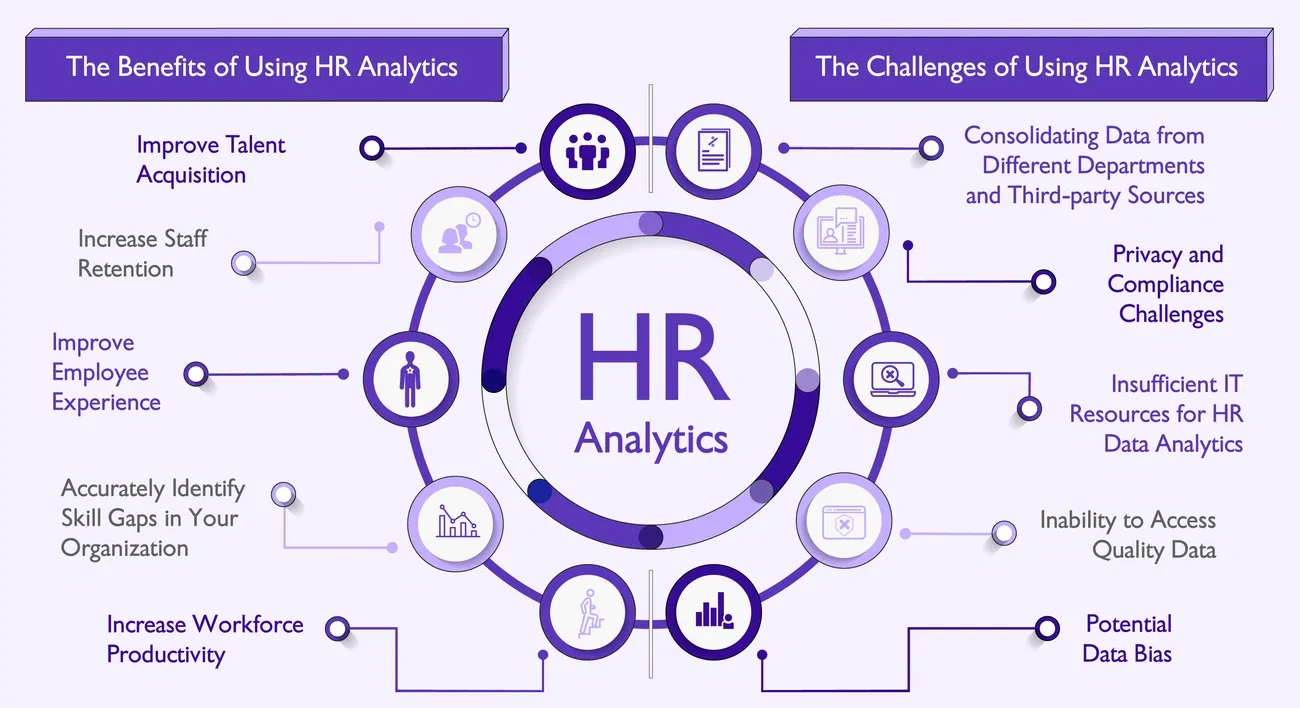
Image Source: Engagedly
Your HR systems might be sending quiet distress signals that only show up when serious problems surface. You can save your organization from getting pricey data-related mistakes by spotting these warning signs early.
Delayed Analytics Refresh Cycles
Dashboards with improper data refreshes create a dangerous gap between what you see and what’s real. Source systems often lose connection and these delays ripple through your decision-making process. Systems don’t update at the same time – some refresh hourly while others do it daily. This mismatch leads to incomplete datasets. Then, when manual reports finally reveal critical trends, it’s usually too late to step in and fix things. Modern people analytics platforms require real-time synchronization to deliver accurate workforce insights.
Leadership Dissatisfaction with Insights
Executive frustration with HR analytics isn’t just imagination – the numbers back it up. While 71% of HR executives think about people analytics as everything in their strategy, only 57% say it has brought real profits or savings. On top of that, it turns out only 29% of HR professionals trust their organization’s data quality. This explains why CHROs keep pointing to poor data integrity as their biggest obstacle in workforce planning.
The biggest HRIS Data Issues revolve around creating good employee experiences, pulling useful reports, and getting HRIS platforms to work together. Companies don’t deal very well with customization, which sounds great at first but usually causes trouble during system upgrades.
Frequent Audit Flags and Compliance Issues
Companies that keep running into compliance problems usually have data issues at their core. Wrong I-9 forms, mistakes in wage calculations, and poor records of disciplinary actions point to HRIS compliance failures. The U.S. Equal Employment Opportunity Commission got back nearly $700 million for workplace discrimination victims in 2024 alone. Leading HR systems now include immediate alerts and automated compliance tracking because reactive approaches create too much risk.
Inconsistent Workforce Data Across Systems
Data that doesn’t match across systems might be the most telling warning sign. Multiple HRIS platforms often create corrupt or conflicting information that makes high-level decisions risky. Companies find it hard to pull consistent data from these information silos. Different update times create endless uncertainty.
The problems are systemic – only 4% of HR professionals completely trust their people data for making decisions. This broken system hits the bottom line hard, with bad data costing the US economy $3 trillion every year. Without HRIS data working together, companies face bigger workloads, weaker analysis, and compromised strategic plans.
Why HRIS Is Not a Data Management Platform
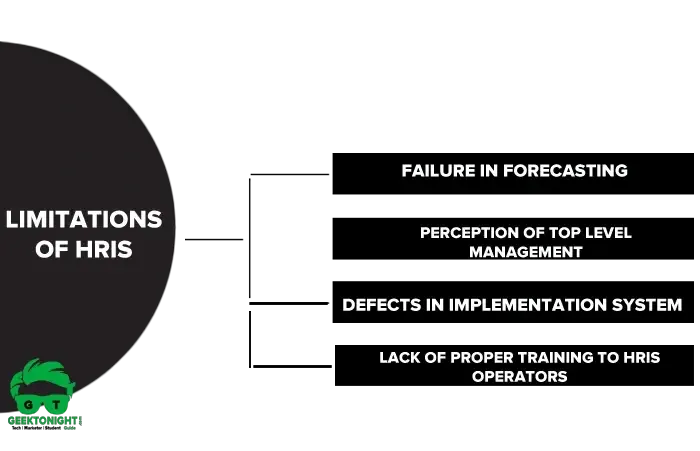
Image Source: Geektonight
Organizations often make the mistake of depending on their HRIS as a complete data management solution. Their HRIS actually works as a system of record that handles administrative tasks instead of managing data strategically. This difference matters a lot for proper workforce data governance.
HRIS Limitations in Data Governance
HRIS platforms handle HR functions but lack strong data governance features needed to make strategic decisions. These systems excel at employee record-keeping, payroll, and benefits management but fall short in complete data oversight. Your workforce analytics can develop blind spots as data grows because HRIS governance frameworks don’t adapt well.
The main problem lies in the purpose. HRIS technology focus on transactions and processes to maintain compliance and administrative efficiency. They don’t provide enough tools and analytics for HR to become a valuable partner in your organization. This explains why only one in ten HR professionals get the data and insights they need to do their jobs well.
Lack of Built-In Validation and Standardization
Your HRIS can become a collection of unreliable HRIS data without proper checks. Common problems include:
Human error from incorrect data entry
Discrepancies in data formats across fields and systems
Missing or incomplete employee information
Inconsistent employee identifiers between systems
These validation gaps hurt your bottom line. Employees take an extra half hour on HR tasks because of data inconsistencies. This costs organizations worldwide approximately $8.15 billion annually in lost productivity.
Examples of Fragmented HR Data Systems
Most organizations use a mix of disconnected HRIS solutions. They typically have different systems for payroll, recruitment, performance tracking, and compliance. These systems serve specific purposes but rarely work together smoothly.
This fragmentation creates big operational challenges. HRIS data management teams lose valuable time as they retrieve, verify, and manually enter data across multiple platforms. This slows down daily operations. Only 4% of HR professionals trust their people dataset completely when making decisions.
The financial toll is huge. Bad data costs the US economy about $3 trillion each year. Companies lose 12-15% of annual revenues through inefficiencies, compliance issues, and missed strategic opportunities due to poor HR data quality.
Your HRIS works best as a valuable but limited system of record. It needs extra data governance infrastructure to provide reliable workforce insights.
Hidden Problem 1: Duplicate Employee Records
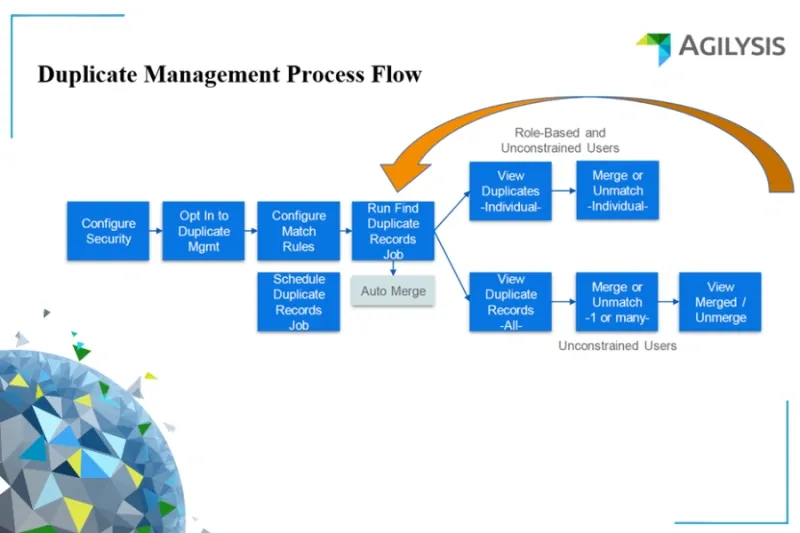
Image Source: LinkedIn
Duplicate employee records silently drain company resources and cost organizations hundreds of thousands in lost productivity and compliance penalties. Companies continue to face this problem despite investing heavily in HRIS technology because they lack proper data governance frameworks.
How Duplicate Records Occur in HRIS
Regular HR processes can create duplicate records when things go wrong. Data entry mistakes are the biggest cause, especially when the core team inputs identification numbers incorrectly. Employee names create another problem because people use nicknames or have multiple surnames.
Seasonal workers present unique challenges since they might return with different contact details or documentation between work periods. Companies with multiple locations face additional problems. Their employees often get new profiles when they’re rehired at different sites because local staff can’t see the company-wide systems.
Impact on Payroll, Benefits, and Reporting
The financial damage from duplicate records is way beyond the reach and influence of simple administrative issues. These problems split pension contributions and mess up tax calculations, which leads to compliance violations with government authorities. Ernst & Young’s research shows that each manual data entry point costs approximately $4.78, and these costs keep rising yearly.
It takes about eight hours of combined effort from six to eight different teams to fix a single duplicate record. The teams include payroll specialists, identity management staff, and HR administrators. This creates substantial labor costs. Benefits administration errors cost $400 on average to fix. Duplicate records make these errors happen more often, especially during enrollment periods.
How to Detect and Prevent Duplicates
The best prevention starts with resilient infrastructure for searching records. HRIS Data Management staff should look up multiple name variations and partial information before adding new employees. Using unique employee IDs that are separate from personal information helps reduce confusion.
Photos are exceptional verification tools that work well for employees whose documentation might change between hiring periods. Organizations need standard onboarding procedures at all locations to minimize data entry differences.
Modern HRIS solutions now include automated duplicate detection that checks both active and deleted employee records before new entries. Organizations should set up data validation rules and run cleaning programs before starting any system integration projects to get the best results.
Hidden Problem 2: Inconsistent Job Titles and Codes

Image Source: Visier
Job title confusion wreaks havoc on HRIS data systems. Organizations struggle with inconsistent titles that quietly damage their workforce management foundation.
Why Job Title Standardization Matters
Standardized job titles are the foundations of good HRIS governance. Recent studies show 42% of employees don’t like their current job titles. This shows how systemic these problems have become. Mixed-up titles create confusion about career paths. Employees find it hard to see their growth opportunities.
Take roles with different titles like “Account Manager” and “Client Success Manager.” These similar roles make it tough for employees to see their next career move. They end up less motivated and more likely to leave. Clear titles tell everyone what work someone does and where they stand in their career. This creates clarity both inside and outside the organization.
How Inconsistency Affects Analytics and Compliance
Mixed-up job titles make people analytics almost impossible. Most companies face this challenge. Visier’s Enterprise customers (median size: 11,593 employees) have about 1,500 job titles, while many use between 2,000-3,000.
This mess creates several business problems:
Compensation inequities: Different titles for similar roles lead to big pay gaps. An “HR Generalist” might earn $10,000 less per year than an “HR Specialist” despite doing similar work.
Recruitment inefficiencies: Messy titles block AI-driven recruiting tools that need clean data to match candidates quickly.
Analytics failures: Companies can’t track turnover, retention, and pay equity without standard job titles.
Fixing Job Title Taxonomy with HR Data Governance
Good job title standardization starts with solid HRIS governance. Companies should create a specific HR role to build and maintain consistent roles, titles, and salary structures. In fact, market-competitive job titles will give a boost to retention, create internal consistency, and help attract talent.
A complete job catalog needs these vital details for each position:
Job Title
Job Code (unique identifier)
Job Family (major functional area)
Job Category and Level
FLSA Status
All the same, balance is a vital part—too much detail or oversimplification causes issues. One healthcare organization had almost as many titles as nurses. Another simplified too much by giving thousands of specialists one title (“nurse”). Both approaches made HR analytics impossible.
Hidden Problem 3: Incomplete Termination Data
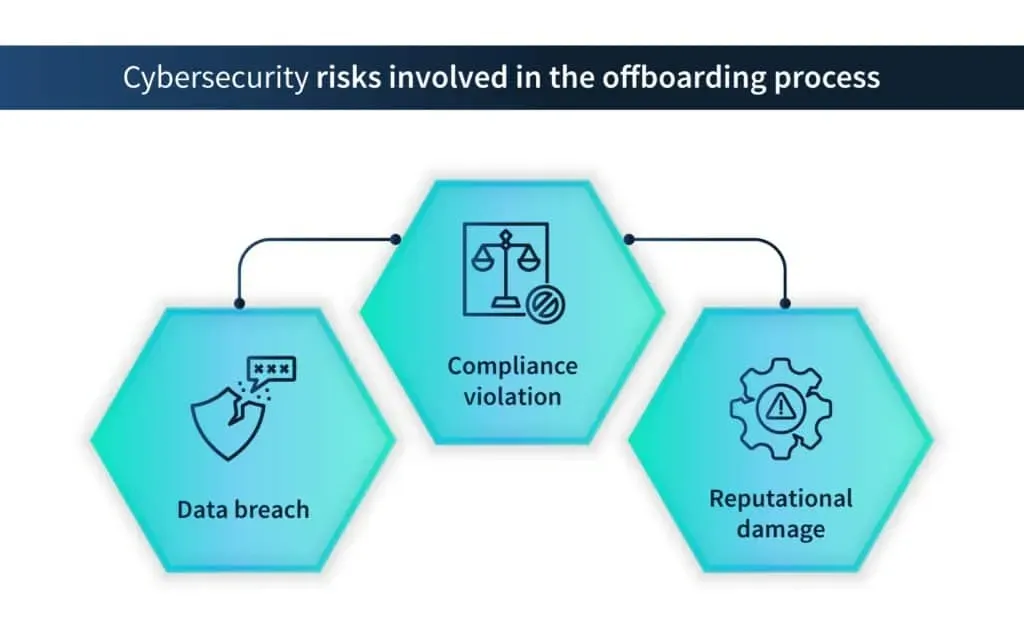
Image Source: Scrut Automation
Data gaps in termination processes create hidden weaknesses in otherwise resilient HRIS data management systems. Many organizations view incomplete offboarding information as a simple administrative task rather than a critical data governance issue.
Common Gaps in Offboarding Data
Companies with sophisticated HRIS platforms often struggle to maintain detailed termination records. The most common data gaps include:
Missing transaction records: Organizations often find employees missing from current snapshots without proper termination documentation.
Incomplete equipment tracking: Unreturned company devices cost organizations approximately $2,000 per departing employee.
Partial system deactivation: About 71% of companies lack proper offboarding processes, which lets access remain active in unknown applications.
Undocumented contractual closure: Service contracts with flat-fee pricing rarely specify contractor identities, which creates shared access risks.
Risks to Compliance and Cost Tracking
Poor termination data tracking leads to serious legal and financial risks. Most states require specific payment timelines for final wages—sometimes on the same day—and employers face heavy penalties for delays. Former employees who still have system access pose major security threats because they know organizational processes and have valid credentials.
The audit consequences are serious too. Organizations need to show they manage the complete user lifecycle, including proper access removal and documentation. HRIS compliance requires comprehensive audit trails. Security teams spend time chasing departments to verify legitimate terminations and remove remaining access.
Best Practices for Exit Data Capture
Organizations should use structured offboarding protocols to reduce these risks. A version-controlled checklist shared between HR, IT, Finance, and Facilities cuts exit processing time from 4.3 hours to 2.1 hours per employee.
Detailed exit interviews help gather key data points and improve retention by 12% when companies analyze responses quarterly. Up-to-the-minute dashboard tracking of termination metrics, including asset returns and account closures, cuts audit preparation time by 43%. HR data compliance depends on these structured processes.
Automated workflows between HRIS solutions and identity management platforms create audit-ready records efficiently. This approach documents every status change and ensures quick access removal across connected services.
Hidden Problem 4: Outdated Organizational Hierarchies
Image Source: Martian Logic
Organizational charts are quietly derailing your business strategy. A seemingly simple administrative tool has become a productivity bottleneck that hides in plain sight.
How Outdated ORG Charts Mislead Decision-Makers
Outdated hierarchies create expensive blind spots that deserve closer attention. Chart maintenance takes 36 hours annually per administrator when organizations make monthly structural changes. Direct labor costs exceed $1,100 just for simple updates for an HR professional earning $65,000. Emergency updates for leadership presentations and version control challenges multiply these expenses dramatically.
Executive meetings often hit roadblocks over simple questions like “who actually reports to whom?”. Decisions remain stuck because employees either wait too long for approvals or accidentally skip important stakeholders without accurate visibility. Teams work with outdated information and create duplicate, sometimes conflicting initiatives across departments.
Impact on Workforce Planning and Reporting
Static organizational data weakens strategic workforce initiatives through several challenges:
Hidden vacant roles and overlapping duties lead to overstaffed teams while others face resource gaps
New employees take much longer to onboard as team dynamics remain unclear, which extends their productivity ramp-up
Unclear career progression pathways hurt talent retention efforts
Research from Harvard Business School shows employees who understand organizational structure are 2.5 times more likely to stay involved at work. Traditional HCM and HRIS platforms only provide simple hierarchical views with limited filtering options.
Using HR Data Visualization Tools to Stay Current
Modern visualization platforms outperform standard HRIS technology capabilities. Companies that implement dynamic org chart solutions find the right project collaborators 25% faster and onboard new employees 40% quicker. Reports that once took 2-6 hours now appear instantly with a few clicks.
Dynamic visualization tools connect with HRIS data management systems to eliminate manual maintenance and provide immediate insights into metrics like span of control, headcount, and vacant positions. These solutions let users filter by layers, business lines, regions, and products—creating transparency that shapes strategic workforce decisions.
Hidden Problem 5: Manual Data Entry Errors
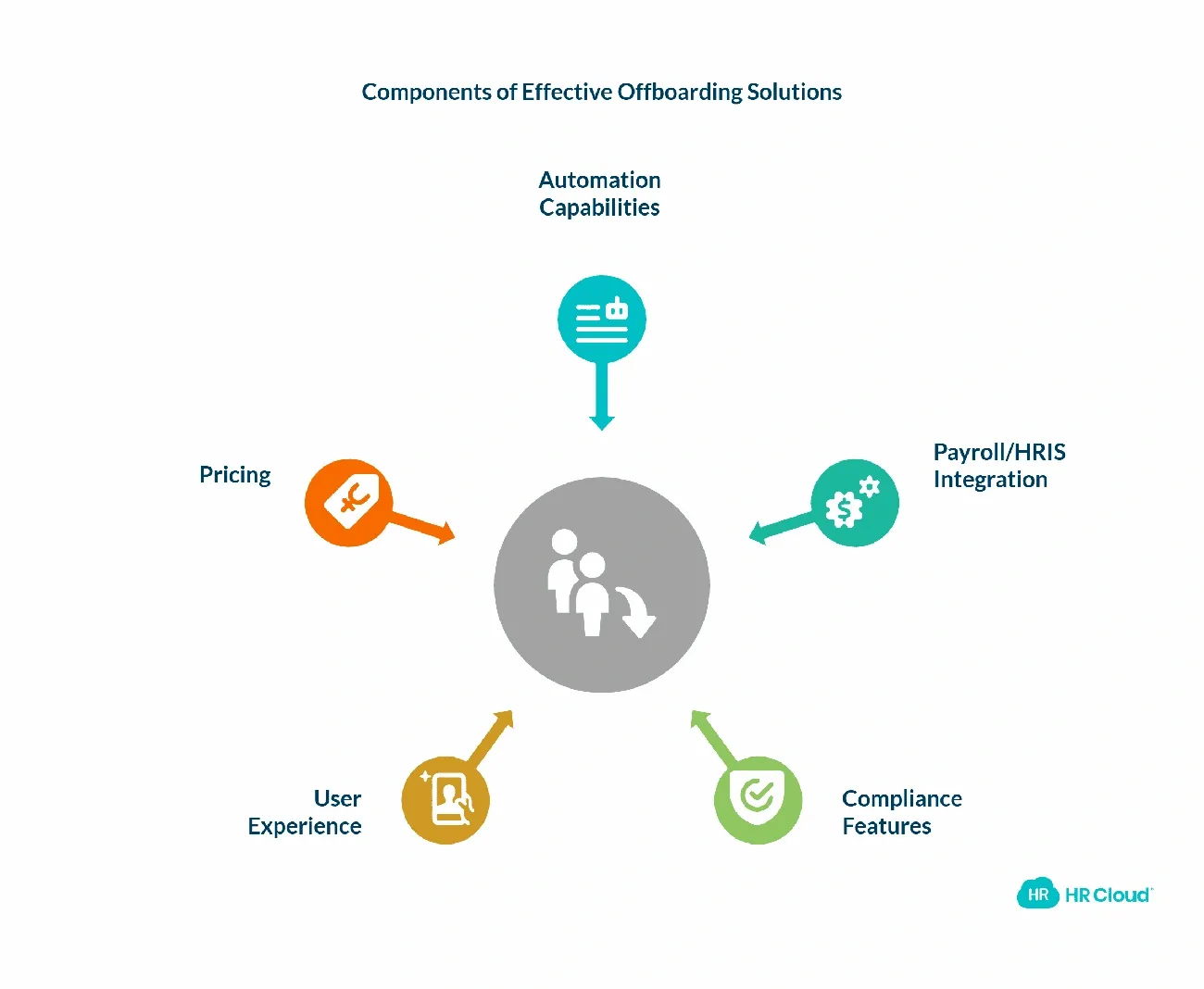
Image Source: HR Cloud
Manual data entry mistakes lurk behind every payroll disaster. When HRIS data management teams make simple mistakes, they create a domino effect that damages both operational efficiency and employee trust.
Examples of How Data Entry Mistakes Get Pricey
Small data entry errors can lead to huge financial problems. Each payroll error costs an average of USD 291 to correct, and 20% of all payrolls contain errors. A company with 1,000 employees might face 2,640 potential errors annually, costing USD 768,240 just to fix payroll issues. The Virginia government learned this lesson the hard way when they paid twice for mailing absentee applications to 500,000 voters because someone mixed up different spreadsheets. The story doesn’t end there – 12% of I-9 forms have mistakes that could result in federal penalties ranging from USD 220 to USD 2,191 per incorrect form.
Why Automation Is Critical
Human nature makes mistakes inevitable in manual data entry. Several factors lead to these errors:
Fatigue: One in eight workplace injuries happen because of exhaustion
Stress: Deadlines create pressure that hurts accuracy
Poor training: Staff members without proper skills make more mistakes
Automatic validation checks spot problems immediately and alert users before they submit final data. HRIS data management teams can save up to 2 hours of administrative time per document with automation. Companies waste valuable resources fixing problems or dealing with mistakes that slip through without these safeguards.
Tools to Reduce Human Error in HR Data Systems
Today’s HR systems come with powerful error-reduction features:
Contextual help tools that walk users through data entry
Automated data validation that keeps HRIS data accurate and consistent
Real-time alerts that catch potential issues early
These systems boost data security and make processes smoother. HR professionals can make smarter decisions about workforce planning, budgeting, and training needs with accurate data. The investment makes sense quickly—even simple automated validation cuts the typical data entry error rate of 1-4% significantly, which protects both money and reputation.
Hidden Problem 6: Siloed HR Data Across Systems

Image Source: Estuary
Modern HR departments function like scattered islands of isolated HRIS data. Companies with 200-500 employees use approximately 123 SaaS applications. These applications create barriers between essential workforce information.
How Data Silos Form in HR Tech Stacks
Data silos naturally develop as departments add more technology. Companies set up different systems to handle applicant tracking, HRIS, learning management, and performance reviews. Each system maintains its own employee records. Legacy HRIS technology decisions lead to systems that don’t work together. Despite this issue, 68% of companies still use disconnected HR platforms. Global companies face additional challenges. Different regions need local solutions that meet specific compliance requirements.
Effect on Integration and Analytics
Scattered HR data weakens strategic decision-making abilities. Companies with disconnected HR systems waste 23% more time on administrative work. They also make 31% more mistakes in managing employee data. A more troubling fact shows that teams spend 80% of their time cleaning data instead of finding useful insights. Systems that don’t talk to each other become “digital filing cabinets”. They store information but fail to tell the complete story.
Investing in Hr Data Integration Services
Integration brings clear business benefits beyond better administration. Companies that use HR data warehouse solutions save up to 2 hours per document. This results in significant cost savings. Modern integration uses hub-and-spoke designs to coordinate information flow between systems. HR data integration services from cloud platforms come with ready-to-use connectors. Companies see real value when they get a complete view of their workforce. This allows HR teams to move from administrative tasks to strategic advisory roles.
Hidden Problem 7: Lack of Data Validation Rules
Image Source: OutSail
Validation rules act as invisible gatekeepers to protect HRIS data integrity, yet most workforce systems lack them. Your organization faces expensive consequences when small errors pile up without these protective measures.
Why Validation Is Essential for HR Master Data
The quality of your HRIS data determines how well your processes work. Clean HR master data goes beyond IT – it’s everyone’s responsibility. Your company faces most important compliance risks from poorly formatted private addresses, incomplete tax information, expired work permits, and wrong job descriptions. Employee master data serves as the most trusted source after identity records that shapes legal and regulatory reporting. These high stakes make validation crucial to protect data integrity.
Common Missing Rules in HRIS Platforms
HRIS platforms only provide simple foundations to document HR master data. They don’t include:
Consistency checks between related fields
Format standardization for addresses and codes
Cross-verification between systems
Automated data cleanup processes
Your team spends 80% of analysis time just cleaning data without these protections. This leaves little chance to generate real insights for people analytics initiatives.
How to Implement Validation in Hr Data Software
Start by defining what HRIS data you need, its format, update schedule, and validation steps. Set up company-wide processes with required fields that ensure complete data. Create HRIS governance policies that spell out field ownership, validation schedules, and steps to take when errors show up.
Hidden Problem 8: Untracked Data Changes
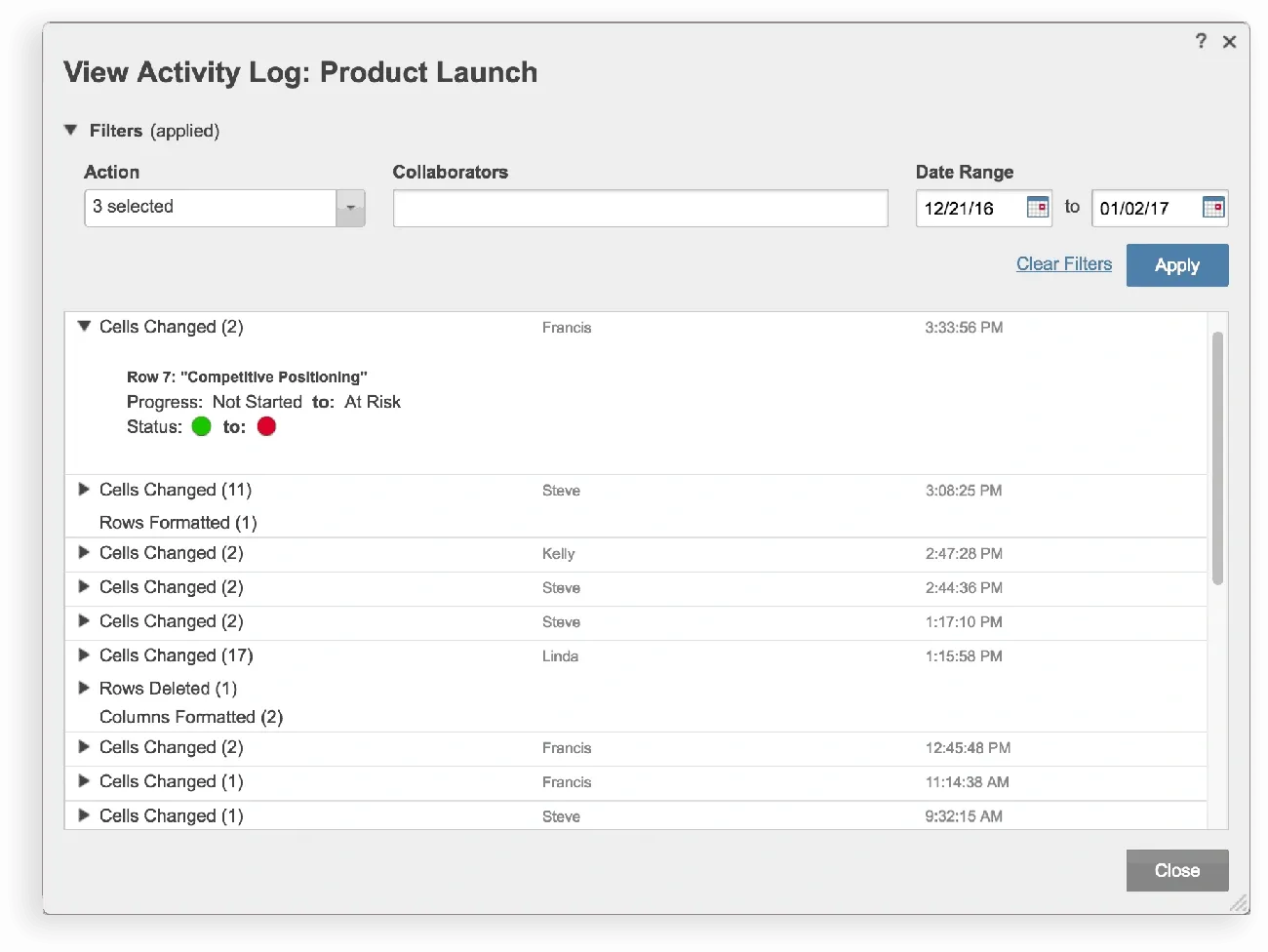
Image Source: Smartsheet
Your HRIS data management system’s untracked changes pose potential compliance risks. Organizations spend millions on advanced HRIS platforms, yet they often miss this basic gap in their data governance strategy.
Why Audit Trails Matter in HR Data Management
Audit trails create chronological, time-stamped records that document employee information changes and serve as vital evidence during investigations and audits. These trails help maintain data integrity by tracing problems to their source, which enables quick corrections of discrepancies. Organizations without this visibility find it hard to demonstrate HRIS compliance with strict privacy regulations that demand specific data handling protocols.
Risks of Unmonitored Data Edits
Unmonitored changes expose organizations to serious vulnerabilities. Companies that lack proper tracking face heightened compliance risks from inconsistent data handling, which can result in legal troubles and penalties. Untracked modifications make detecting unauthorized access or suspicious activities impossible across most enterprises. Storage costs have dropped significantly, yet organizations still find it challenging to maintain detailed audit logs – many cannot store the recommended full year of audit data.
Using HR Data Manager Software for Version Control
Version control software automates and standardizes the capture of essential change information. These tools work with proper HRIS governance to eliminate the recreation of lost information that can get pricey while replacing manual processes like file-naming schemes that often cause errors. Well-implemented systems identify current approved versions clearly and maintain complete historical records, which creates audit-ready documentation for all status changes.
Hidden Problem 9: Misaligned Data Across Modules
Image Source: Praisidio
Companies waste money due to blind spots created by disconnected HR tech systems. Research shows that nearly 25% of organizations use eight or more HR solutions at the same time. A single company might need to handle 10-15 different source systems. These disconnected workforce systems can undermine even the best HRIS data management strategies.
The Disconnect Between Payroll, LMS, and ATS Systems
HR systems multiply as companies expand, but integration planning often takes a back seat. Each system has its own unique format, schema, and data standards. This creates immediate compatibility issues. About 26% of company data worldwide remains unstructured. Data consolidation becomes almost impossible without expert help. Moving information between these systems manually is painful. The process gets pricey and leads to errors.
Common Data Conflicts
Data mismatches show up in several ways:
Employee details: Each platform displays names, titles, or addresses differently
Performance metrics: Training records in LMS don’t match performance systems
Compensation data: Payroll systems use outdated job titles or rates
Trust becomes an issue when data doesn’t match up. Only 4% of HR professionals completely trust their HRIS data for making decisions.
HR Data Warehouse Solutions Fix Alignment Issues
HR data warehouse solutions are the quickest way to store employee information from multiple sources in one central platform. These analytical databases do more than remove data silos. They make complex queries easier for better reporting and decision-making. A good implementation needs regular HRIS data management quality checks, cleanup, and enhancement methods to improve stored information. The result is a reliable source of truth that powers standard reports and custom HR analytics for better workforce insights.
Hidden Problem 10: Poor Data Security Practices
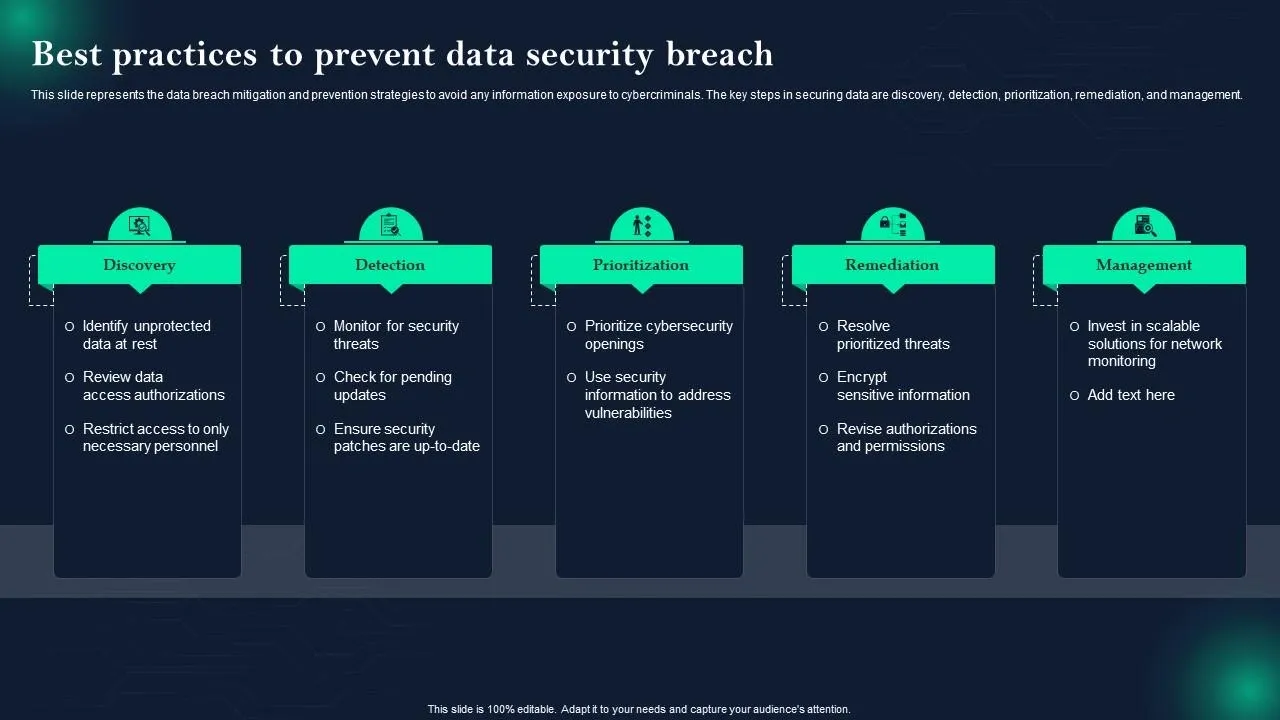
Image Source: SlideTeam
Poor Data Security in HRIS data management is among the costliest and most overlooked threats that modern organizations face today. These problems go well beyond just following rules – they can hurt a company’s financial performance and destroy trust.
Risks of Weak HR Data Security
HRIS Platform contain extremely sensitive employee information that cybercriminals love to target. These platforms hold personal details like Social Security numbers, banking data, and addresses – valuable information that becomes currency in wrong hands. About 60% of all data breaches come from inside threats. This shows that dangers exist both inside and outside an organization. Companies must have proper HR data security solutions to survive in today’s environment.
Examples of Breaches and Their Costs
Money lost from HRIS data breaches goes way beyond just fixing the immediate problem. IBM’s 2024 Cost of a Data Breach Report shows the average cost has hit USD 4.88 million – up 10% from 2023. Each compromised employee record with personal identifiable information (PII) costs USD 189. A recent case showed that HRIS data with payroll data, national ID numbers, and health records were exposed in 82% of breaches. The damage runs deep – 70% of organizations reported major business disruptions after these attacks.
Implementing HR Data Security Solutions
Companies need clear HR data security solutions policies that spell out protection strategies. Key steps include adding multi-factor authentication and role-based access controls that limit information based on job duties. Regular security checks help find weak spots. Data encryption adds another layer of protection by turning sensitive details into unreadable code. Success depends on HR and IT teams working together to build strong security measures.
Comparison Table
Problem Area | Key Impact | Financial Implications | Solution/Best Practice |
Duplicate Employee Records | Split pension payments, wrong tax calculations | $4.78 for each manual data entry; 8 hours of work needed by 6-8 teams to fix | Set up unique employee IDs, automated duplicate detection, standard onboarding steps |
Inconsistent Job Titles | Career path confusion, poor People analytics | 1,500 job titles for 11,593 employees; $10,000 pay gaps in similar roles | Build a detailed job catalog with standard titles, codes, and families using HRIS governance |
Incomplete Termination Data | Security risks, HRIS compliance violations | $2,000 lost per leaving employee from unreturned equipment; 71% lack proper offboarding | Set up structured offboarding steps, automated workflows to remove access |
Outdated Org Charts | Slow decisions, unclear reporting structure | Each admin spends 36 hours yearly ($1,100 in wages) | Use dynamic visualization tools that update automatically from HRIS data management systems |
Manual Data Entry Errors | Wrong payroll, HRIS compliance problems | $291 for each payroll mistake; errors found in 20% of | Set up automated checks, contextual help tools |
Siloed HR Data | Slow administration, weak HR analytics | Admin tasks take 23% longer; mistakes happen 31% more often | Use HR data integration services, set up hub-spoke architecture |
Lack of Data Validation | Risk of breaking rules, poor HR data quality | Data cleaning takes 80% of analysis time | Create validation rules, set up HRIS governance policies |
Untracked Data Changes | Breaking compliance, security risks | Not mentioned | Use version control software with audit trails from HRIS Data |
Misaligned Data | Reports don’t match, poor decisions | 26% of company data lacks structure | Use HR data warehouse solutions for central storage |
Poor Data Security | Data leaks, business disruption | Average breach costs $4.88M; $189 per exposed record | Use MFA, role-based access, regular security checks |
Conclusion (including how to consider data management as a separate vertical linked but separate from tech and workflow automation)
Quality information in HR isn’t guaranteed just by investing in HRIS technology. Companies pour millions into sophisticated HRIS Platforms but don’t deal very well with basic data integrity problems. Only 25% of organizations can turn their massive employee information into practical insights, despite collecting huge amounts of HRIS data.
Poor HR data quality hits your bottom line hard. Each payroll error costs $291 to fix, while data breaches cost an average of $4.88 million. Recent McKinsey research from 2023 reveals companies with better data quality achieve 20% higher EBITDA than their peers. Gartner’s findings show organizations lose about $12.9 million yearly due to HRIS Data Issues.
New HRIS solutions alone won’t fix these problems. Excellence in data needs the right mix of people, processes, and infrastructure backed by an informed approach. Microsoft’s HRIS data management operations saw a complete turnaround after they set up a dedicated data governance team. They cut manual processing time by 68% and boosted data accuracy from 73% to 96% in just one year.
Technical solutions aren’t enough – cultural change plays a crucial role. Deloitte’s 2023 Human Capital Trends report highlights that organizations with strong HRIS Data governance cultures make 2.5 times better workforce decisions compared to those just focusing on technology.
Your strategy should focus on these practical steps:
Establish clear data ownership with dedicated HRIS governance roles
Implement automated validation checks at every HRIS data entry point
Standardize job taxonomies and organizational structures
Create detailed audit trails for all HRIS data management transactions
Deploy integration solutions to eliminate data silos
- Invest in HR data security solutions to protect sensitive information
HR leaders see substantial returns from these changes. Companies like Unilever and IBM showed that good HRIS data governance cuts reporting time by 75% and improves decision quality.
These problems reach way beyond financial effects. Your employees’ experience suffers from payroll errors, unclear career paths, and security breaches exposing personal information. Your dedication to fixing these hidden HRIS Data Issues problems determines not just how efficiently you operate, but how well you build trust with your most valuable asset—your people.
Key Takeaways
Poor HR data quality is silently draining millions from company budgets while undermining strategic decision-making across organizations.
• HRIS Platforms aren’t complete data management solution – They’re designed for transactions, not governance, requiring separate data quality infrastructure to deliver reliable workforce insights.
• Duplicate records and inconsistent job titles cost $291 per payroll error – With 20% of payrolls containing mistakes, automation and standardization become financial necessities, not luxuries.
• Data silos waste 80% of analysis time on cleaning instead of insights – Organizations with fragmented HRIS solutions spend 23% more time on admin tasks and experience 31% higher error rates.
• Manual processes create cascading failures across HRIS compliance and security – From incomplete termination data to untracked changes, manual workflows expose organizations to regulatory penalties and data breaches averaging $4.88 million.
• HRIS Data governance requires dedicated ownership, not just technology – Companies with strong data governance cultures are 2.5 times more likely to make effective workforce decisions than those focused solely on software implementation.
The path to HRIS data management excellence demands treating data management as a strategic vertical separate from—but connected to—your HRIS technology stack. Organizations that establish proper governance, validation rules, and integration frameworks report 75% reduction in reporting time while dramatically improving decision quality.
FAQs
Q1. What Are the Most Common HRIS Data Problems Organizations Face?
The most prevalent issues include duplicate employee records, inconsistent job titles, incomplete termination data, outdated organizational hierarchies, and manual data entry errors. These problems can lead to significant financial losses and operational inefficiencies.
Q2. How Do Data Silos Impact HR Operations?
Data silos create fragmented information across different HR systems, leading to inefficient administration and poor analytics. Organizations with siloed HR data typically spend 23% more time on administrative tasks and experience 31% higher error rates in employee data management.
Q3. What Are the Financial Implications of Poor HR Data Quality?
Poor HR data quality can be extremely costly. For instance, each payroll error costs an average of $291 to correct, and data breaches can cost up to $4.88 million per incident. Additionally, companies with superior data quality achieve 20% higher EBITDA than industry peers.
Q4. How Can Organizations Improve Their HR Data Management?
Organizations can enhance their HR data management by establishing clear data ownership, implementing automated validation checks, standardizing job taxonomies, creating comprehensive audit trails, and deploying integration solutions to eliminate data silos. It’s also crucial to foster a data-driven culture within the organization.
Q5. Why Is It Important to Treat Data Management as a Separate Vertical from Hris Technology?
Treating data management as a separate but connected vertical to HRIS technology is important because HRIS systems are primarily designed for transactions, not data governance. A dedicated focus on data management ensures better data quality, more effective decision-making, and improved operational efficiency across HR functions.