

A staggering 94% of HR teams don’t deal very well with data completeness in their core employee records. Most HR departments discover their data problems too late – during audit preparation, critical analytics runs, or strategic workforce planning. Data completeness measures how effectively HR systems capture all required information without gaps or omissions. Recent research shows that organizations treating HR data as a product instead of an administrative byproduct achieve 43% better workforce planning accuracy.
As systems remain fragmented while data exists in disconnected silos, making consistent data governance seem daunting. We created this piece to help reshape your approach to HR data lifecycle management. You’ll learn to identify completeness issues and implement eco-friendly solutions that keep employee data accurate, complete, and applicable.
This piece provides a roadmap to become skilled at data completeness in HR operations, regardless of whether you’re beginning to tackle data quality concerns or enhancing existing processes. Let’s explore the basics together.
Table of Contents
Why HR Data Completeness Matters More Than Ever
HR data completeness has moved from a nice-to-have feature to a mission-critical necessity in 2025. Industry studies show that data errors make HR operational costs rise by 20 to 35 percent through rework, inaccurate reporting, and compliance issues. These rising costs highlight why HR teams must prioritize complete and accurate employee information in their systems.
The Rise of Data-Driven HR Decisions
Organizations now view workforce data differently as HR has progressed from an administrative function to a strategic business partner. Minor inconveniences like delayed payroll runs resulted from incomplete employee records in the past. These data gaps now directly affect critical business outcomes.
Modern HR departments serve as data hubs that power:
- Strategic workforce planning based on skills inventories
- Talent acquisition systems requiring complete candidate histories
- Performance management frameworks relying on accurate historical data
- Compensation strategies built on precise employment records
HR teams now treat data as a product rather than an administrative byproduct, which has raised quality standards. Predictive analytics use complete data sets to forecast turnover risks, identify skill gaps, and spot workforce needs before they become urgent problems.
Data-driven decision-making in HR needs better-quality data, not just more of it. Agentic AI in HR workflows also demands exceptional data integrity because autonomous systems work properly only with complete information sets.
How Poor Data Quality Affects Strategic Planning
Organizational planning processes fail when HR data remains incomplete. Inconsistent or outdated information creates several problems:
First, analytics efforts fail with incomplete data. HR analysts waste valuable time cleaning information, adjusting spreadsheets manually, or running reports multiple times when they need to pull metrics for compliance reports or internal analytics like turnover rates or time-to-hire.
Second, flawed data leads to costly strategic errors. Industry experts’ “1-10-100 rule” of data quality explains this – It costs $1 to prevent a data error through proper validation, it costs $10 to correct after it enters your system and costs $100 or more when errors affect business decisions.
To name just one example, organizations make poor strategic workforce decisions with inaccurate skills inventory or unreliable internal talent mobility data. This could mean failing to address critical skill gaps, over-investing in declining areas, or misallocating talent – potentially costing millions in misdirected strategic investments.
Third, compliance becomes vulnerable with poor data completeness. Audit-ready compliance processes need accurate HR data. Regulatory risks increase with missing documentation, outdated job structures, inaccurate classifications, or gaps in time records.
Data quality issues rarely appear alone. Disruptions spread across processes, systems, and decisions that depend on consistent workforce information. Hiring plans, retention efforts, and organizational design suffer from small data discrepancies, which affect performance, productivity, and financial outcomes for years.
Organizations continue to integrate AI and machine learning into workforce decisions, increasing the need for complete HR data. These technologies increase both the benefits of complete data and the penalties of incomplete information. Forward-thinking organizations must establish robust data governance frameworks and treat HR data as a strategic asset.
Understanding the Core Elements of Data Completeness
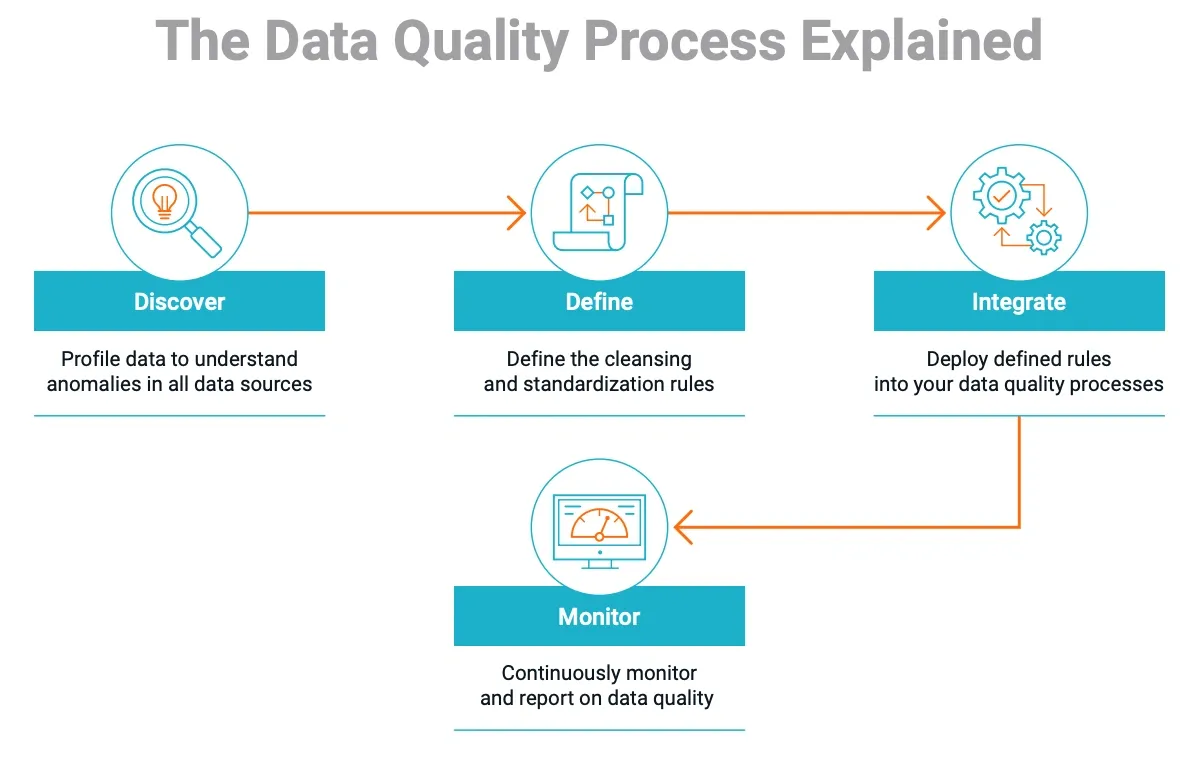
Image Source: Informatica
Building effective HR data governance starts with understanding what we’re measuring. Data completeness creates the foundation for reliable HR analytics and decision-making, though many organizations can’t quite pin down what “complete” means in practice.
Define Data Completeness in HR Context
HR data completeness serves as a key performance indicator that shows how well your workforce data covers employee information. Your department’s success depends on capturing information about personal details, job roles, performance metrics, and training records.
The heart of data completeness answers a simple question: “Do we have all the required data fields populated for each employee?” This straightforward idea becomes tricky when you scale it across thousands of employees and dozens of HR systems.
You can calculate data completeness using this formula:
Data Completeness Rate = (Number of Completed Fields ÷ Total Number of Required Fields) × 100
To cite an instance, if your organization needs 20 specific data fields for each employee record and 18 fields are filled on average, your overall data completeness rate would be 90%.
That 90% might look good, but the 10% gap can affect data-driven decisions by a lot, especially when missing fields contain vital information like skills certifications, performance metrics, or compliance documentation.
Data Completeness vs. Data Quality Completeness
Data completeness and data quality completeness work as separate but connected concepts. Data completeness measures whether fields have values. Data quality completeness shows if those values are accurate, consistent, and useful.
Here’s how they differ:
Data completeness focuses on quantity – are all fields populated? Data quality completeness looks at quality – are the populated fields accurate and reliable?
Quality completeness includes two key elements that basic completeness doesn’t:
Validity: Your data should measure what you want it to measure. An employee skills assessment might be complete but invalid if it mostly reflects a manager’s personal bias toward team members instead of actual capabilities.
Reliability: The same measurements should yield consistent results over time. Reliability drops when data collection processes change. One HR leader put it this way: “If one manager looks at an employee’s performance over six months while another only thinks back two weeks, performance ratings become unreliable.”
Examples of Complete vs. Incomplete Employee Data
Complete employee data builds confidence in HR decision-making. Incomplete data brings risk and uncertainty. Let’s look at specific examples:
Complete employee record example:
- All 20 required fields filled with current information
- Performance reviews from all relevant periods documented properly
- Skill certifications verified and dated
- Job history within the organization documented fully
- Training completion records available and up to date
- Benefits enrollment status current and accurate
Incomplete employee record issues:
- Missing emergency contact information
- Performance reviews scattered across different systems
- Undocumented skills or certifications
- Incomplete training records
- Missing tax documentation
- Outdated benefits selections
These gaps create real problems. When performance reviews live in different systems or show conflicting information, fair assessments become nearly impossible. Resolving these issues means hunting down old files, comparing manually, and using judgment to make sense of the data.
On top of that, incomplete data shrinks your analytical population. Missing values in specific departments (maybe one using an outdated system) skew results toward other departments. This threatens how well you can apply your findings and leads to flawed strategic decisions.
Understanding data completeness lays the groundwork to build reliable HR data practices that stand up to scrutiny and power confident decision-making.
How to Perform a Data Completeness Check
A systematic approach to measure and improve data completeness becomes your next priority after understanding what it means for your HR function. Abstract data governance concepts turn into analytical insights when you check completeness regularly.
Identify Required Fields for Each HR Function
The first step to assess completeness is to figure out which data elements matter most. Different HR functions need different types of data:
For talent acquisition, complete application records, skills assessments, and interview feedback help make quality hiring decisions.
Compensation management needs accurate job classifications, salary bands, performance ratings, and tenure data to create fair and competitive pay strategies.
Learning and development relies on certification status, skills inventories, and training completion records to target upskilling initiatives.
Team up with stakeholders from each HR domain to create a “required fields matrix” of critical data elements. Your priority should be fields that affect:
- Regulatory compliance and reporting requirements
- Strategic decision-making capabilities
- Operational efficiency
- Employee experience quality
The data governance framework should include these requirements to keep completeness checks consistent.
Use Data Completeness Metrics to Assess Gaps
You need a solid way to measure completeness once you’ve identified the required fields. Here’s a simple yet effective process:
- Determine your analysis timeframe (quarterly, semi-annually, or annually)
- Gather data from your HR systems identifying completed versus missing fields
- Calculate per-employee completeness rate:
- Count completed data fields per employee
- Divide by total required fields
- Multiply by 100 to convert to percentage
- Calculate overall completeness rate:
- Sum all employee completeness rates
- Divide by total employee count for average rate
This gives you metrics like:
- Total required data fields: 20
- Average completed fields per employee: 18
- Overall data completeness rate: 90%
A 90% rate might look good, but that missing 10% often has vital information that affects decision quality. Look at completeness rates across departments too. Uneven distribution points to systemic issues. One department’s outdated system might skip certain questions, making completeness rates lean toward other departments and affecting organization-wide analyzes.
Tools for Data Completeness Testing
Small organizations can track completeness using spreadsheets. Larger workforces need specialized tools:
Data quality platforms show live completeness metrics across HR systems. These highlight problem areas and track improvements over time.
Automated data audits run regular completeness checks to spot inconsistencies early. You could set up weekly scripts to flag differences between your HRIS and payroll system.
Self-service portals give employees the ability to update their information while showing incomplete fields. Progress bars or completion certificates can make the process more engaging.
Your choice of tools should come with clear steps to handle completeness issues. Someone needs to own different data domains, know what to do when they find gaps, and verify the fixes.
Note that tools alone won’t fix completeness issues. Better data quality comes from treating HR data as a product with clear ownership, quality standards, and continuous improvement processes.
Fixing the Gaps: From Reactive to Proactive
The next big step in HR data maturity moves beyond just spotting data gaps to actively preventing them. This radical alteration revolutionizes how HR teams handle data governance. What was once an occasional cleanup task becomes an ongoing operational discipline.
The 1-10-100 Rule of Data Error Costs
The 1-10-100 rule offers a clear picture of data completeness economics. This principle shows how costs grow dramatically based on when teams tackle data issues:
- It costs $1 to prevent a data error through proper validation
- It costs $10 to correct an error after it enters your system
- It costs $100 or more when errors affect business decisions
A new hire’s job classification entered incorrectly illustrates this progression. Validation rules prevent errors at minimal cost. Later fixes need report runs, error analysis, and system adjustments. Uncorrected errors lead to compliance violations, wrong compensation, and poor workforce planning – with costs running into thousands.
Data errors drive up HR operational costs by 20-35% through extra work and compliance problems. Smart investments in prevention pay off substantially.
Automated Alerts and Early Detection Systems
Early detection systems protect your data completeness. These systems need several vital components:
HR systems should trigger immediate alerts for inconsistencies or incomplete records. Quick error detection makes fixes easier. Validation during data entry stops problems from spreading through systems.
Centralized data quality platforms show completeness metrics as they happen. These dashboards spotlight error-prone areas that need attention.
Automated data quality checks run on schedule without burdening the core team. A weekly automated script flags differences between HRIS and payroll systems, preventing expensive reconciliation work.
Top organizations now add data quality and master data management platforms that scans for anomalies and finds patterns humans might overlook.
Feedback Loops for Continuous Improvement
Strong feedback loops help data completeness efforts grow instead of staying flat. Clear paths for reporting and fixing data issues come first. Teams need to know who owns different data domains and what steps to take when they find gaps.
Every fix should improve prevention strategy. Frequent errors need a breakdown of why they happen. Solutions might include form updates, staff training, or system changes.
Data ownership creates accountability. Specific people should maintain compensation data, performance reviews, and skills inventories. This ownership drives prevention and builds a culture where everyone values data quality.
The process works best when teams treat HR data as a product rather than a byproduct. This mindset makes data completeness a feature worth ongoing investment instead of just another technical fix.
Building a Culture of Data Ownership
Quality HR data management needs more than just the right technology. Everyone in the organization must understand their role in maintaining data quality. Here’s how we can build this foundation.
Assign Data Stewards for Each HR Domain
Data ownership and clear accountability are the life-blood of effective HR data governance. Subject matter experts who understand specific domains share the responsibility to maintain data quality through data stewardship.
Your organization needs dedicated stewards for key data domains. These HR data domains typically include:
- Compensation and benefits
- Performance management
- Talent acquisition
- Employee development
- Workforce planning
- Time and attendance
Each domain needs a steward who knows both the subject matter and data management. These professionals protect data quality and serve as the “$1 unit” in the 1-10-100 rule of data error costs.
Larger organizations should have dedicated data governance specialists. These experts monitor data quality, enforce policies, and improve data processes across domains. They connect technical data management with day-to-day HR operations.
Train HR Staff on Data Completeness and Accuracy
Data errors can increase HR operational costs by 20-35%. Modern HR professionals must see data literacy as a core skill, not an optional extra.
A good training program covers:
- How incomplete data affects strategic decisions
- Standard data entry procedures
- Ways to spot and report data issues
- Understanding data validity versus reliability in HR
Training must show how data collection affects reliability. A manager might look at six months of performance while another checks just two weeks. This makes performance ratings unreliable. Standard procedures help managers measure performance the same way.
Team meetings should include regular talks about data quality. These casual check-ins help keep data quality top of mind between formal training sessions.
Promote Employee Responsibility Through Self-Service
Self-service systems help improve data completeness but many organizations don’t use them well. Employees who manage their own information become active partners in maintaining data quality.
An effective self-service system needs:
Clear communication about how accurate data helps employees get timely payments, proper benefits, and career growth. This helps employees see personal benefits rather than just another task.
The system should be easy to use and update data should be simple. Profile completeness bars can make it fun, which encourages employees to provide full information.
Smart validation checks in self-service portals can catch errors early. These checks should highlight issues without making the process frustrating.
Organizations with good self-service systems see better data completeness and less administrative work for HR teams. Better data creates better employee experiences, which motivates people to keep their information current.
Future-Proofing HR Data Systems
The rise of HR technology means looking beyond current data practices to systems that automatically keep data complete. Companies are moving from manual data management to integrated solutions that maintain quality throughout the HR data lifecycle.
Integrate Data Completeness Checks Into HRIS
Your HRIS should have built-in data completeness checks as the first defense against information problems. Modern HRIS platforms now offer:
- Scheduled, automated data audits that run weekly or monthly to catch inconsistencies early. These systematic checks work better than manual reviews to stop errors from spreading across connected systems.
- Real-time validation rules that catch incomplete entries during data input right at the source. These rules can make fields mandatory or check information across different modules.
- Clear data ownership frameworks within the system architecture that assign responsibility for different datasets. System-level permissions help you retain control over who can modify critical data fields.
Your HRIS must alert users immediately when it finds incomplete records. Quick error detection makes fixes easier and less expensive.
Use Data Quality Platforms for Anomaly Detection and Validation
Maintain data completeness through:
First, proactive anomaly scanning that spots patterns human reviewers might miss. They can find subtle inconsistencies across thousands of employee records that no one could spot by hand.
Second, predictive data quality scoring that shows where completeness issues might pop up based on past patterns. HR teams can step in before problems start.
Third, intelligent data reconciliation between systems that suggests fixes when it finds differences between your HRIS, payroll, and other connected platforms.
These systems work with human in the loop to make sure their suggestions fit your organization’s needs and goals.
Arrange Data Governance with Compliance Needs
Regulatory requirements keep changing, so data governance must adapt:
Centralized dashboards give you real-time views of completeness metrics and help you stay ready for audits. These dashboards show areas with high error rates, letting you fix issues before compliance problems show up.
Standard data collection methods keep all HR functions consistent. Even small differences in procedures can lead to data inconsistencies and higher compliance risks.
Regular data hygiene across systems turns compliance from crisis management into normal operation. This approach focuses on finding problems before they grow.
Note that getting the setup right early will create reliability and cut down on expensive fixes later. Industry studies show data errors can push HR operational costs up by 20-35%. This is a big deal as it means that investing in future-proof systems pays off through less rework, better reporting, and fewer compliance issues.
Conclusion
Data completeness has grown beyond a technical requirement into a must-have strategy for modern HR departments. Incomplete employee records directly affect business outcomes and cost organizations $12.9 million each year. The 1-10-100 rule shows why prevention works better than correction – $1 spent on proper validation saves $100 in downstream business effects.
HR teams typically react to situations by rushing to fix data problems before critical reports or audits. This approach creates unnecessary stress and introduces major risks. Data completeness needs a complete transformation in thinking – HR data should be treated as a product, not just a byproduct of administrative tasks.
Companies that excel at data completeness follow a proven path. They start by identifying required fields in HR domains and set up detailed metrics with the right tools to track progress. Strong feedback systems and dedicated data stewards who promote quality standards make the process work better.
Smart HR leaders know that technology alone can’t solve these challenges. They focus on creating a culture where everyone plays a part in keeping records accurate. Well-designed employee self-service portals help team members take an active role in maintaining their data.
Tomorrow’s HR operations will depend on validation rules, AI-powered anomaly detection, and integrated governance frameworks that keep data complete automatically. These technologies offer great capabilities, but human oversight remains crucial to ensure suggestions match organizational needs.
Becoming skilled at HR data completeness needs investment, but it pays off through better decisions, lower compliance risk, and less rework. Detailed, accurate employee data are the foundations that support all strategic workforce decisions.
Key Takeaways
Master data completeness to transform your HR operations from reactive crisis management to proactive strategic advantage, reducing costs and improving decision-making quality.
• Incomplete HR data costs organizations $12.9 million annually – 94% of HR teams struggle with data gaps that impact strategic decisions and compliance
• Follow the 1-10-100 rule: prevention beats correction – It costs $1 to prevent errors, $10 to fix them, and $100+ when they affect business decisions
• Assign dedicated data stewards for each HR domain – Clear ownership for compensation, performance, and talent data creates accountability and prevents degradation
• Implement automated validation and real-time alerts – Embed completeness checks directly into HRIS systems to catch errors at the source, not after damage occurs
• Build employee self-service culture with gamification – Progress bars and completion incentives transform staff from passive subjects into active data quality participants
The shift from treating HR data as administrative byproduct to strategic product requires systematic measurement, clear ownership, and embedded technology solutions that maintain quality automatically.
FAQs
Q1. Why Is Data Completeness Important for HR Teams?
Data completeness is crucial for HR teams because it directly impacts strategic decision-making, compliance, and operational efficiency. Incomplete data can lead to poor workforce planning, increased costs, and potential regulatory issues. Ensuring data completeness helps HR departments make informed decisions and provide better support to employees.
Q2. How Can HR Teams Measure Data Completeness?
HR teams can measure data completeness by first identifying required fields for each HR function, then calculating a completeness rate. This rate is determined by dividing the number of completed fields by the total number of required fields and multiplying by 100. Regular audits and data quality dashboards can help track completeness over time.
Q3. What Are Some Effective Strategies for Improving HR Data Completeness?
Effective strategies for improving HR data completeness include assigning data stewards for each HR domain, implementing automated alerts and early detection systems, and promoting employee responsibility through self-service portals. Additionally, providing comprehensive training to HR staff on data accuracy and establishing clear data ownership frameworks can significantly enhance data completeness.
Q4. How Does Incomplete HR Data Affect an Organization Financially?
Incomplete HR data can have significant financial implications for an organization. Industry studies show that data errors can increase HR operational costs by 20-35% through rework, inaccurate reporting, and compliance issues. On average, organizations lose about $12.9 million annually due to poor decision-making resulting from incomplete data.
Q5. What Role Does Data Quality Platforms Play in Maintaining HR Data Completeness?
They play an increasingly important role in maintaining HR data completeness by providing proactive anomaly scanning, predictive data quality scoring, and intelligent data reconciliation between systems. These AI-powered tools can detect subtle inconsistencies across thousands of employee records, forecast potential completeness issues, and suggest corrections when discrepancies appear between different HR platforms.