As an HR professional, I have often felt the need and sometimes the urgency to adopt the latest technologies, especially as GenAI for HR promises to revolutionize how we approach talent management. Yet, in this process, I have also experienced moments of frustration, wondering why AI in HR sometimes fails to deliver on its promise. Through deeper research and experimentation, I realized that, like people, AI too needs structured training, consistent feedback, and time to reach maturity.
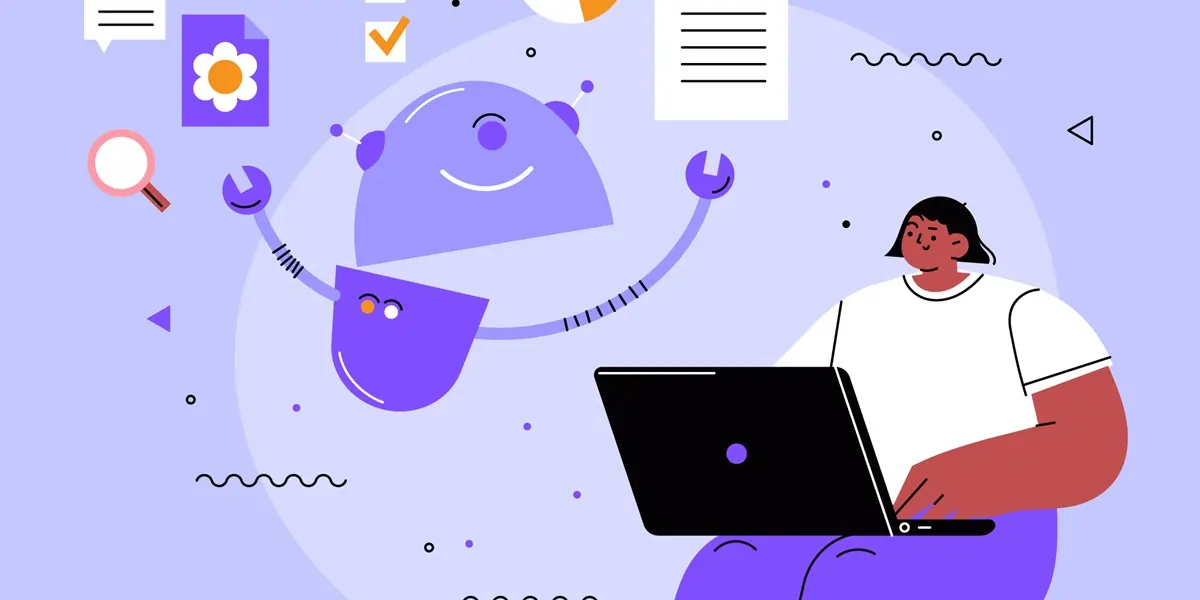
It reminded me of something more personal. Observing friends and family raising their children, I began to see parallels: like raising a child, generative AI for HR needs guidance, patience, and a measured path to maturity.
A child enters the world as a blank slate, relying on nurturing and stories to develop understanding. We cherish their wonder over tales of Santa or the tooth fairy, yet instinctively guide and protect them, sensing when to comfort or correct. Over time, through consistent feedback and diverse experiences, they start connecting ideas, forming independent views, and thriving with gentle supervision. Even then, parents continue to support their growth.
If we simply CTRL + F the word “Child” and replace it with “GenAI,” and “Parent” with “HR Leaders,” the analogy becomes strikingly clear. The modern HR leader’s role extends beyond adopting tools, it’s about shaping intelligent systems through effective AI governance HR practices and disciplined oversight.
How GenAI Learns Like a Child
- Fostering Curiosity: AI, like a child, is not born knowing everything. Its understanding grows through exposure to data, patterns, and real-world feedback. Children thrive on healthy food; AI thrives on clean, structured, and well-managed datasets. This is why ensuring HR data readiness and advancing AI governance HR frameworks are essential before scaling any generative AI in HR implementation. Be mindful of what data fuels your system.
- Detecting Signals: Just as parents distinguish between playful exaggerations and genuine concerns, HR leaders must learn to separate valuable insights from AI “hallucinations.” Training generative AI for HR solutions involves ongoing data evaluation challenging recommendations that deviate from logic and rewarding those that align with policy or context. This practice serves as an early form of generative AI governance, ensuring the model’s accuracy and reliability over time.
- Adapting to Feedback: Learning from feedback is what helps both children and AI evolve. Continuous audits, feedback loops, and scenario testing enhance intelligent outcomes. Regularly testing models for bias, ethics, and compliance is fundamental, particularly as AI in HR recruitment and AI in talent management become increasingly central to decision-making. Consistent evaluation across AI maturity stages reinforces trust and allows HR leaders to measure progress.
As much as organizations want instant transformation, true mastery of GenAI for HR takes time. Growth comes from guidance, not shortcuts. With structured learning, patient observation, and active governance, HR leaders can create ethical, adaptable systems equipped to support long-term success.
This journey also reshapes HR technology transformation, blending empathy with innovation and turning HR from a process-driven function into a data-driven strategic partner. The rise of generative AI in HR is not about replacing people but about elevating how HR teams think, act, and engage.
So, here’s to every HR leader nurturing the next generation of intelligent systems cultivating AI in HR responsibly, building mature frameworks, and creating smarter, more equitable workplaces, one thoughtful prompt at a time.